Organic
Hemp
Bamboo
Fair Trade
Eco
Natural
Shop Online      Our Story      Alternative Fibres      Visit Our Shop      Our Conscious Suppliers      Wholesale       What's News      Contact Us


Why Buy Eco-Fabric?


The clothing industry is one of the worst industries in the world as far as sustainability, toxic footprint, and human rights violations.

Many fabrics are mixed with petroleum by-products, and fabric-dye can be a toxic nightmare. The dying process accounts for much of the water used (and abused) to make a piece of clothing. Not only are the dyes themselves toxic, but the process often includes toxic colour fixatives, and " bleaching" (with chlorine, just about the most toxic substance known to man), much of which ends up in our lakes, rivers and oceans.

To top it off virtually all polycotton (especially bed linen), plus all 'easy care', 'crease resistant', and 'permanent press' cotton, are treated with toxic formaldehyde (also used for flame proofing nylon). And that's just the manufacturing process.

Mainstream cotton production is the most pesticide-dependant crop in the world (among the worst toxic substances in the world, as Mae Burrows of Toxic Free Canada said, " Nothing that is designed to kill indiscriminately can be good for the planet."), and since cotton is a "hungry" crop, soil often needs fertilizers to continue to produce year after year. Ultimately this chemical stew can result in "burning" the soil, so that it can no longer produce any crop, let alone cotton. The fertilizers and pesticides are also harmful to farmers, and can build up in the environment both in soil, plants, animals, and humans for generations.

Even wool, a fabric that one would have thought was as natural as could be with it's scratchy goodness, and old wet earthy smell, can be toxic for the sheep farmers due to sheep-dip pesticides. Rayon is a process that converts any kind of pulp into fabric using toxic chemicals a whopping 50% of which cannot be reclaimed, and drains out into the environment.

Nylon and Polyester are not only made from petrochemicals, they are non-biodegradable as well. And PVC is just plain bad.

For more information on the long-term influence of Toxins in the environment please refer to Amanda's award-winning series, as well as http://www.toxicfreecanada.ca/


The Alternatives

So, now that it is abundantly clear why we don't want to use mainstream fabric choices, what should we be draping ourselves in?


Hemp


Hemp at Still Eagle


Hemp is a thoroughly ecological crop: highly productive, easy to cultivate and pest tolerant. It needs no weeding, few or no agrochemicals whilst at the same time binding and enriching the soil with its deep roots. It has been called a carbon-negative raw material.

Hemp can also be grown in Canada, making it the arguably the most environmentally sustainable fabric we have.

Hemp has been grown for a very long time and all around the world. Princesses, vagabonds, soldiers and even mummies may have adorned hemp. Hempen cloth has been found among the remains of cave dwellers thousands of years ago. It has been grown in countries like Egypt, Mozambique, France, Italy, Spain and in Kyushu, Japan.

American settlers wore it. And did you know that the US dollar bill used to be made of hemp? In the Colonial Era, Americans were required to grow hemp. Even presidents Washington and Jefferson grew it. In the early 19th century, the Britons used hemp for the sails on fishing and war ships.

Hemp is an incredibly versatile plant. It can be used for food, beer, textiles, paper, oil, fuel, plastic and even as a building material.

Something you may not know is that THC levels in industrial hemp are so low that no one could get high from smoking it. In fact, it contains CBD, which blocks the marijuana high. Hemp, it turns out, is not only not marijuana; it could be called "anti-marijuana".

Processing hemp is quite an art. Separating the fibers from the stalk is called retting and there are several variations of this process: water-retting, steam-retting, dew-retting and others. 


Bamboo


Bamboo has been described as the cashmere of the vegetable world. All kinds of designers have started using it as it has a great "hand" (feel) and it drapes the body like silk. It is described as hypoallergenic, absorbent, fast drying and naturally anti-bacterial and comes from a very fast-growing plant. Naturally anti-bacterial means that it needs less washing (for smell), and it is also thermally regulating (like cashmere) meaning it keeps you up to two degrees warmer in the winter, and two degrees cooler in the summer. It is also wrinkle resistant meaning that it uses far less energy than fabrics like linen and cotton to keep it looking good (see Linen fabric).

We have to be honest though, and say that under the current process by which bamboo pulp is converted to fabric, it would be considered a Rayon. Also, while most bamboo is "organically grown" –meaning not needing chemicals or fertilizer, very little is certified organic. We are still going to promote and carry bamboo for now because of it's ease of growth and lack of pesticides or fertilizer, and hope this fabric will be able to be produced in a less toxic way in the future.

Article: Bamboo is Destroying Our Planet


Organic Cotton


Organic cotton provides a sustainable living for cotton farmers, it will often be traded along fair principals, so providing a better standard of living for the workers, and it uses safe methods to control the amount of pests that might potentially damage a cotton crop.

Along with the use of natural chilli and garlic repellents, the technique of inter-planting is employed, whereby different crops that detract pests are interspersed or grown side-by-side with the cotton. In this way the cotton is uncontaminated with poisons, biodiversity is actively increased, the health of the cotton workers is protected, and a secondary crop is also provided which can add an additional income stream for farmers. So next time you buy something made from cotton, think about paying a little more to buy organic.

While organic cotton is light years ahead of mainstream cotton, it is still a crop that uses a lot of resources to grow. At Still Eagle, we promote the use of organic cotton as a blend to the more sustainable crops.


Soy


Soy is currently touting all the same benefits of bamboo; it is super soft, anti-bacterial, and the fabric is a by-product of soybean oil. You could say that it is a part of the effort to move consumers away from petro-chemical textile products and recycle waste instead.

It is always a bit disconcerting to promote a product that is based on one of the most genetically modified crops in the world. Monsanto has had it's dirty fingers in soy crops for years, and one study states that GM soy has been so cross-cultivated that is impossible for any company to claim to produce organic soy…kind of makes you go "hmmmm…" At Still Eagle we are currently going to promote this material, but will keep you abreast of our ongoing investigation.


Linen


Linen is made from Flax, a traditional fibre crop that needs less pesticides and fertilizers than cotton. Like hemp, flax also has a highly nutritious seed, that is good on it's own, or made into oil, making it sustainable both for fibre and food. In a recent study put out by the Masters of Linen, they show that the real environmental savings comes from lack of water used during the production of linen which –unlike cotton- needs no other irrigation than normal rain-fall (cotton needs heavy irrigation).

This same study does show that linen's heavy dependence on ironing – both in the manufacturing stage, and then on a consumer after-purchase level, drops the eco-grade on this product substantially…Here at Still Eagle, we still love linen, and promote the bohemian semi-rumpled look for those who take being green as seriously as we do.


Organic Wool


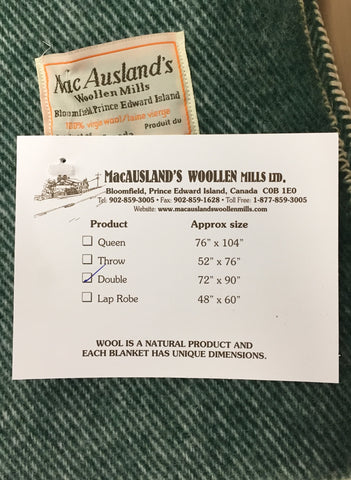
Organic wool is increasingly becoming available: it is produced using sustainable farming practices and without toxic sheep dips.

While some may argue that any fabric from an animal is environmentally harmful, wool has been used for a millennia to cloth humans sustainably in a product that keeps you warm even when it is wet.